SYD701
The SYD701 Class Blog
February 2021
This is the SYD701 Class Blog space.
The way the information for this course is organised, is that course descriptions, assessment schedules, assessment guidelines, drop boxes, etc. – in short all static official information – is sitting on the Moodle Site. This Jekyll blog is the place for tips, links, guides and information about previous projects. This semester most of the students will be studying online from China. The communication and the time difference will surely be a challenge, therefore I am asking all of you not only to be understanding, but also to give me immediate feedback in MS Teams if/when something doesn’t work for you. Instant upload of material and daily communication is also happening with MS Teams in our PRJ70x Team.
Student blogs 2021
Semester 1 2021
Homework
8 April 2021
Thank you for today and the excellent presentations.
As homework for next week, you do the Root Definition Exercise (CATWOE) about NMIT Rich Picture exercise. You can upload the 5 sentences to your blog. Also, the group who did not present Rich Pictures last time, will do it next week.
Please bear in mind that Paul (the man with our Assignment 3 scenario) is coming again next week. Please have you questions about the scenario ready for him.
Homework
1 April 2021
Thank you for today. And sorry for the interruption on the connection – I am still not sure what happened.
As homework for next week, you finish the NMIT Rich Picture exercise. You upload your rich picture to your blog, and discuss with your team mates how to make a rich picture that covers all of your perspectives (pictures). You will present the common picture with your group next Thursday.
We will continue with Soft Systems – Root Definition in the next session.
Why we need Soft Systems
1 April 2021
Soft Systems Methodology
1 April 2021
Soft Systems Methodologyis a systemic approach for tackling real-world problematic situations1. Soft Systems Methodology is the result of the continuing action research that Peter Checkland,2 Brian Wilson,3 and many others4 have conducted over 30 years, to provide a framework for users to deal with the kind of messy problem situations that lack a formal problem definition.56. Definition from Wikipedia
The seven stages are:
- Entering the problem situation.
- Expressing the problem situation. (Rich Pictures)
- Formulating root definitions of relevant systems. (Root Definitions)
- Building Conceptual Models of Human Activity Systems. (Conceptual Models)
- Comparing the models with the real world.
- Defining changes that are desirable and feasible.
- Taking action to improve the real world situation.
For us it is useful to look at stages 2 and 3 as they have the most value for helping us to analyse a mess and look for problems that we might be able to provide solutions for. In addition, rich pictures as a standalone technique is extremely useful in many situations when we are trying to understand something complex.
Soft Systems Methodology - Rich Pictures
1 April 2021
Usually used to record - What is - before the situation is fully analysed Can be used to record - What will be - before situation is fully designed
What?
- means of recording a ‘mess’ - unstructured problem
- pictorial ‘caricature’ of the problem domain
- self-explanatory, easy to understand
- informal
- subjective, personal
- shows major
- players/roles
- structures
- processes
- concerns/worries
- relationships
- no one correct picture
- not sequential
- can be ‘private’ at first but aim for a consensus view (or several for different stakeholders) but may have different ones for different stakeholders.
Why?
- info
- on interfaces and boundaries
- organisational goals/politics
- focus on what needs to be done
- concerns and issues
- helps to make sense of a mess
- identifies the ‘core’ of a situation
- uncovers differences of opinion and objectives
- helps to identify priorities
- way of moving from thinking about a mess to taking action on a problem
How?
- free-form ‘picture’
- no formal requirements
- no formal symbols
- but some accepted use
- external party (eye)
- conflict (crossed swords)
- thought bubbles (bubbles!)
- people and/or roles (stick figures)
- relationships (arrows)
- but some accepted use
- use a legend to explain symbols
- use footnotes if necessary
- use colour
- use size
- not too detailed but….if really need to - use levelling
- look for
- structural elements - roles, departments, physical location
- procedural elements - what is going on, what info is flowing
- relationships - between structures and processes (looking for both good and bad matches!)
- don’t focus only on the ‘hard’ facts - include lots of soft too
Rich Pictures will often be controversial and hard to agree, may create real tension as mismatches and dysfunction are identified. Using it as an analyst you have to be very careful around sensitive issues.
Rich Picture exercise
1 April 2021
NMIT
Around five people in a group_
ROLES:
Enrolled student
Teacher
Parent of prospective student
CEO
ITS manager
(Marketing HOD)
EVENTUAL OBJECTIVE:
Draw a rich picture that represents what NMIT is and does, that satisfies everyone - i.e. consensus view!
ACTIVITIES
- Spend time with the person playing the same role as you from the other group discussing what your ‘role’ knows about NMIT.
-
Draw a rich picture together that represents what you ‘know’ from the perspective of your role. Make sure you all have a copy and look after it for next class!
- Get back in your team
- compare notes and diagrams
- construct a consensus rich picture of NMIT.
- …
Themes that emerge?
- Quality of education
- Cost of education
- Satisfied stakeholders (students, staff, teaching staff, employers, govt)
- Appropriate qualifications
- Regulations (NZQA, IRD, Health and Safety,)
- Sustainability
Soft Systems Methodology - Root Definition
1 April 2021
- Concise verbal description of the “mess” which flows from the Rich Picture.
- Just have the essential elements
- Helps again to define and refine what the “problem situation” is
- Construct several root definitions and then attempt to make one final one.
- Formal way to do root definition is using:
CATWOE
This is done for the situation (not the system)!
C – Client – Whom (the beneficiary)
A – Actor – Who (agent of transformation)
T – Transformation – What (the change)
W – Weltanschauung – World View (context)
O – Owner – Who is answerable –(sponsor/ controller)
E – Environment – wide context of the situation.
Root definition sentence = Who (A) is doing what(T) for whom(C), who are they answerable to (O), what assumptions (W) are being made and in what environment (E) is it happening.
Example 1: Music Store case study:
Customer Customers (A) are buying music(T) for themselves(C) and are answerable to themselves(O) from a shop that gives them good value and a pleasant experience(W) in the Old Town (E).
Salespeople Sales staff are selling products to customers, answerable to the shop owner, in a place they enjoy working in and feel valued in, in a small retail business.
The Store Owner The business owner is trying to run a profitable business by providing a retail experience with knowledgeable staff, pleasant surroundings, good selection of music for sale and good customer service for discerning customers. She is answerable to her investors, and to government depts such as IRD etc. She is concerned to keep her existing (and expand her) customer base in a time of recession and a general slump in retail spending.
Exercise 1: Public Hospital
Doctors perspective? Doctors (A) treat (T) patients (C) in the belief that everyone has the right to basic healthcare (W). The government (O) funds the hospital system but saving money and cutting budgets is becoming more important than the quality of care (E).
Patient’s perspective?
Government’s perspective?
Exercise 2: NMIT
Student: Group 1
Teacher: Group 2
Parent: Group 3
CEO: Group 4
ITS Manager 5
From last session - and homework
23 March 2021
We discussed the Assignment 3 scenario with Paul the last time. Hopefully it provided you with information enough to get started to think about Assignment 3. Paul will return Thursday the 15th of April – so please have the questions you would like to ask him ready by then. He will still be around at NMIT (unlike me), so it is possible to ask him questions later. It will just be harder to organise.
Later in the session, we discussed examples of failed IT Systems Development Projects. As an introduction to Assignment 2, I asked you to briefly describe one of them in your blog, as homework. It does not have to be the same as you are using for Assignment 2.
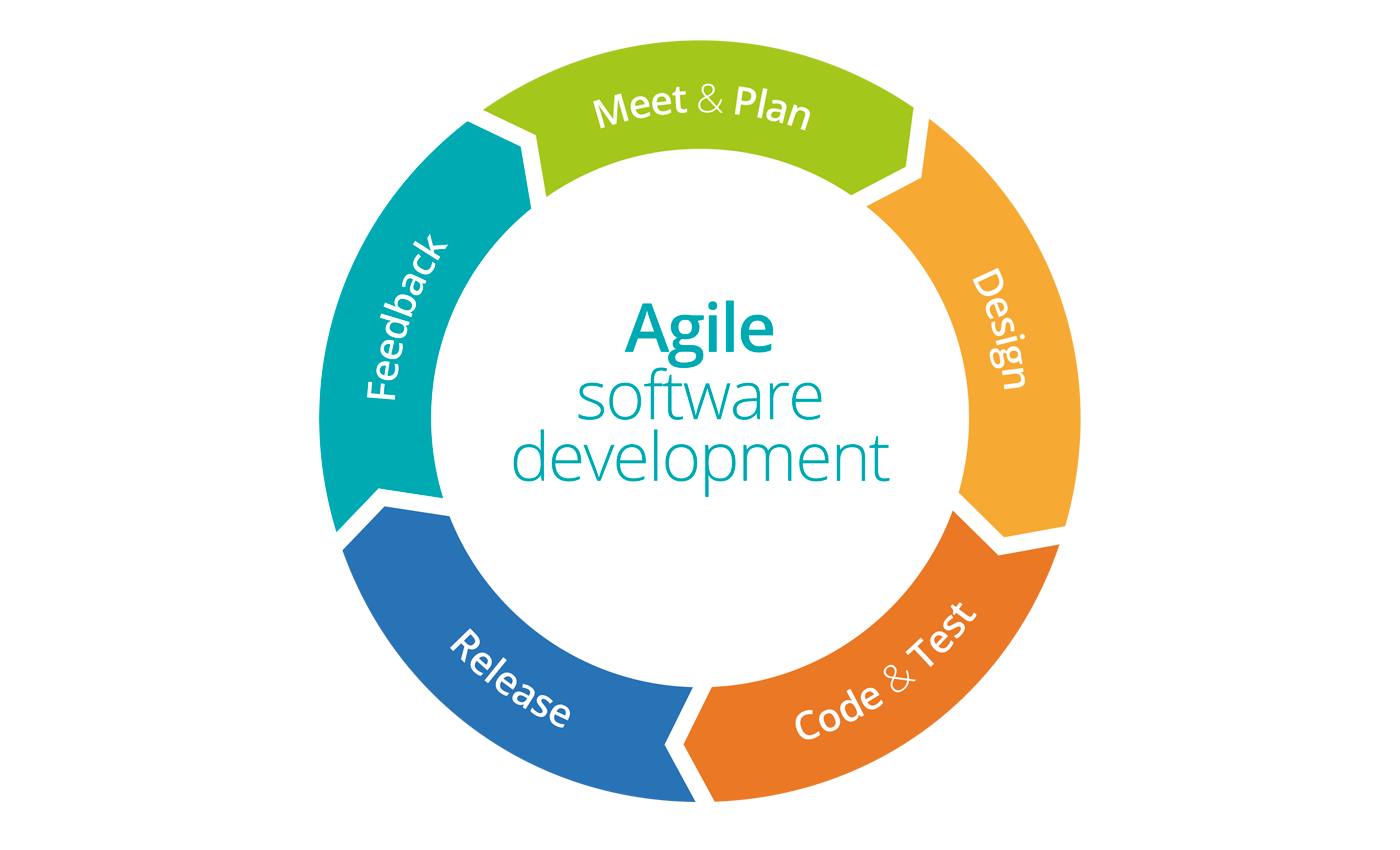
Agile
18 March 2021
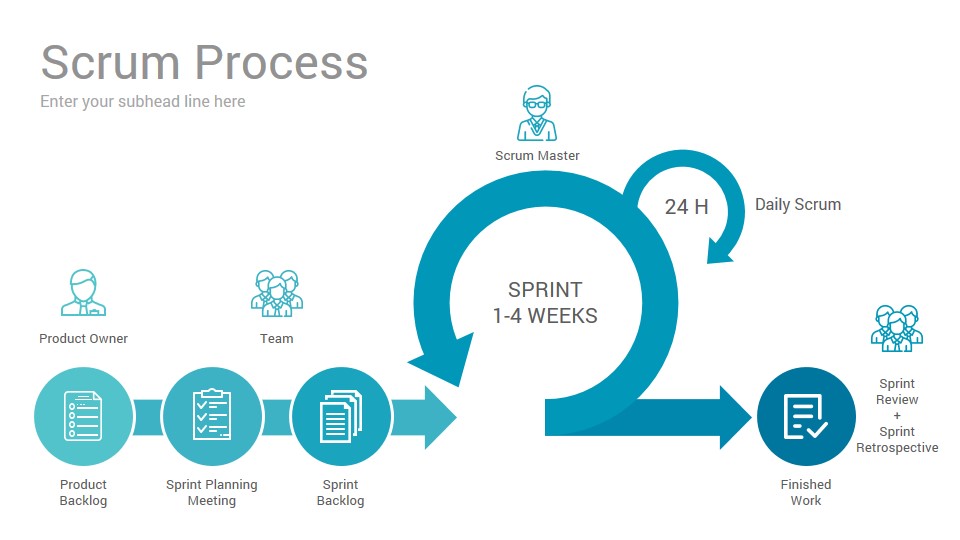
Scrum
18 March 2021
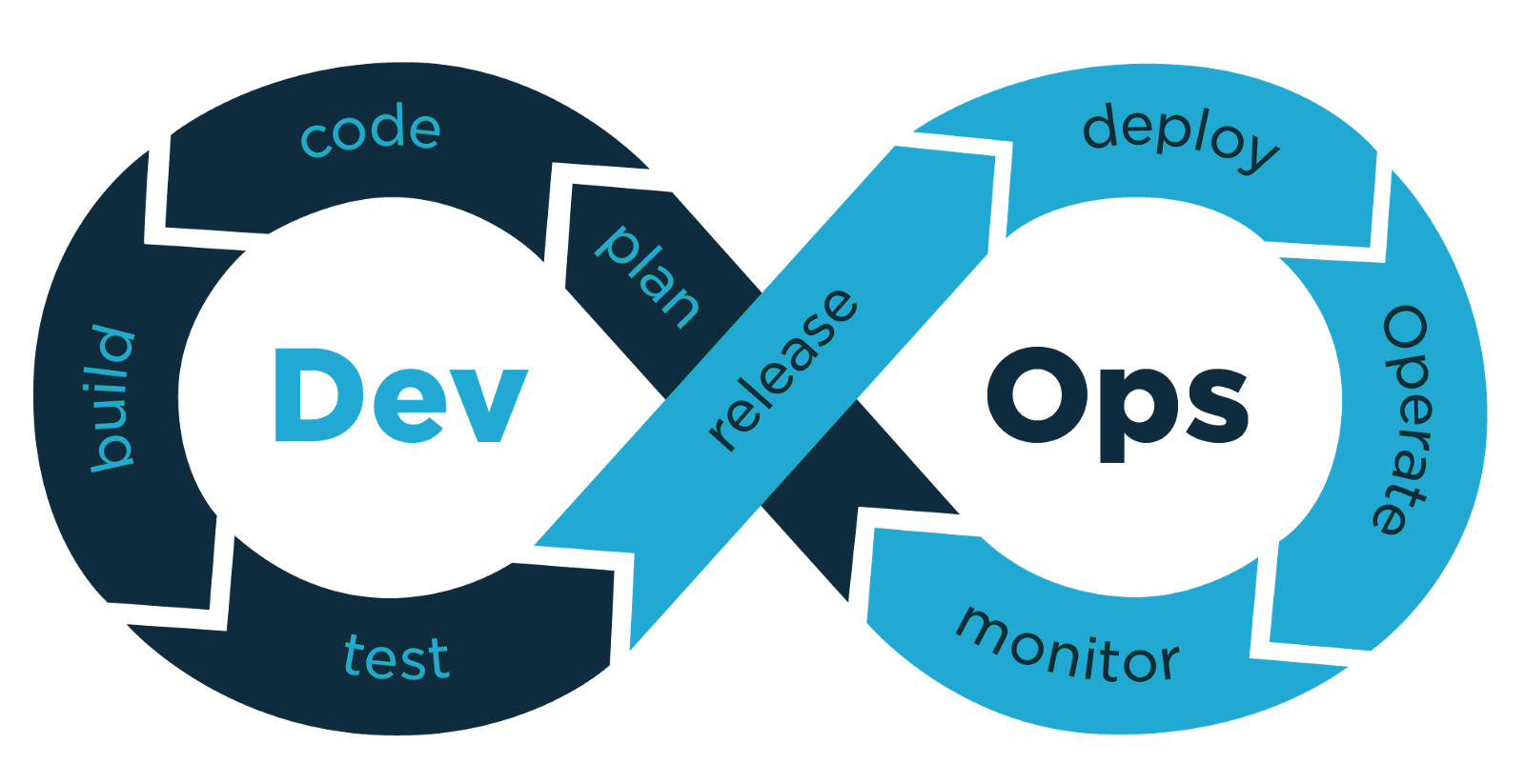
DevOps
18 March 2021
Notes about systems and systems thinking
18 March 2021
- What is a system and what is systems thinking?
- Systems lifecycle(metaphor) vs systems development lifecycle
- Types of computer systems (characteristics)
- History of systems
Homework for next session
18 March 2021
Thank you so much for you presentations today:
- Please remeber to link the presentations to your blogs, so the information isn’t lost
- Briefly present you ‘favorite’ Development Methodology and mention why you have chosen it. and what you would like to use it for
- Lastly, please give a short recount of the presentations and the discussions today
See you next week :)
The birth of one of the most common metaphores in our sector
11 March 2020
Spam (stylized as SPAM) is a brand of canned cooked pork made by Hormel Foods Corporation, based in Minnesota. (Wikipedia)
Metaphors
11 March 2021
Metaphor:
/ˈmɛtəfə,ˈmɛtəfɔː/
noun
A figure of speech in which a word or phrase is applied to an object or action to which it is not literally applicable
The essence of metaphor is understanding and experiencing one kind of thing in terms of another
From the Google Dictionary
Todays topic is metaphors – during the session you will hopefully experience why 🙂
Here are some initial questions:
- What are some common examples?
- Why do we use them?
- Do we always know when we are using them?
- What is useful about using metaphors?
- What are the issues in using metaphors?
Computer Metaphors
11 March 2021
Please answer the questions in groups and write them down in the Google Doc. We’ll talk about them after you have finished.
Metaphores in the World of IT
11 March 2021
To a large extent, computer operating systems, computer applications, and entire computer concepts use metaphor as a means of providing a way for people to comprehend and use these abstractions. Commands such as save, copy, move, cut, paste, launch, and open, to name just a few, are all metaphoric. Items in the graphical user interface such as the desktop, the recycle bin or the trashcan, the control panel, the folder, the scroll bar, and the window itself are metaphoric as well. And so are the notions of cyberspace, navigation, going to a site, and many other Internet-based concepts. The vast majority of computer users, in fact, experience the technology primarily through metaphor, to the degree that the technology itself is almost entirely obscured.
Quote from here
Homework for Thursday the 19th of March
11 March 2021
Try to capture the essence of the discussion we had about Metaphors. There are two links in this blog about our discussion. One about general metaphors and another one about computer related metaphors. Write – in a short way – what the answers were and what it means for our work as IT specialists (or students).
Autonomus Actors and Self Regulating Systems
4 March 2021
Just a little initial reflection on the subject of systems; we often think of systems as consciously initiated and maintained. I our culture (especially the educational- and business culture) we also often see them as hierarchical. But systems can also be non hierarchical and self regulating.
What I like to to compare this with, is AI in CGI contexts. Below there are a couple of links as examples. We will discuss the concept is later in the class today.
Here is an example on a human level:
And on a more complicated level – what do we really need management systems for?
Problems, Puzzles & Messes
4 March 2021
Link to Problems, Puzzles & Messes docment
Worst thing we can do is to take a mess, treat it as a problem and solve it as a puzzle
Pidd, M. (1997). Tools for thinking—Modelling in management science. Journal of the Operational Research Society, 48(11), 1150-1150
Homework for next week
4 March 2021
Describe and analyse a problem, a puzzle and a mess. Of you own choice. And write it up in you blog - as usual :)
Your first blog posting for SYD701
25 February 2021
For the first blog posting I would like you to reflect over the model I draw up on the board, about the Methodology - Methods - Tools levels. Also, mention examples of IT-Systems and Non-IT Systems.
After that, please mention what you can do now in terms of Systems Development and what you would like to be able to do in the future.
Important for this posting – as with all other postings in my courses – is that you take time to think about what you are writing. You can’t rush that. But please don’t feel an obligation to write a lot that hasn’t got any meaning. And for goodness sake – do not copy stuff from somewhere else. Fell free to connect you ideas to ideas you find somewhere else, though. In that case – reference it.
Intro exercise during class time about Systems
25 February 2021
This is one of these typical intro exercises. You are working in groups to come up with good questions as to what we are dealing with here in SYD701. You are formulating the questions in the documents with the links below. Please take the the excise seriously in terms of formulating questions that actually make sense. But not seriously in terms of trying to meet my expectations. We will go through all the questions after you have formulated them.
If you have some spare time - please start setting up you blog. And send me the URL.
Have fun.
Student blogs from last year
Semester 1 2020